



What Are the Common Bite Problems in Children?
Five common bite patterns an orthodontist looks for in a growing child are overjet, deep overbite, underbite, open bite and crossbite. Spotting one is a
Five common bite patterns an orthodontist looks for in a growing child are overjet, deep overbite, underbite, open bite and crossbite. Spotting one is a

Preparation, realistic expectations and steady support can help children adjust to braces. Parents can make the process easier by explaining what to expect, helping with
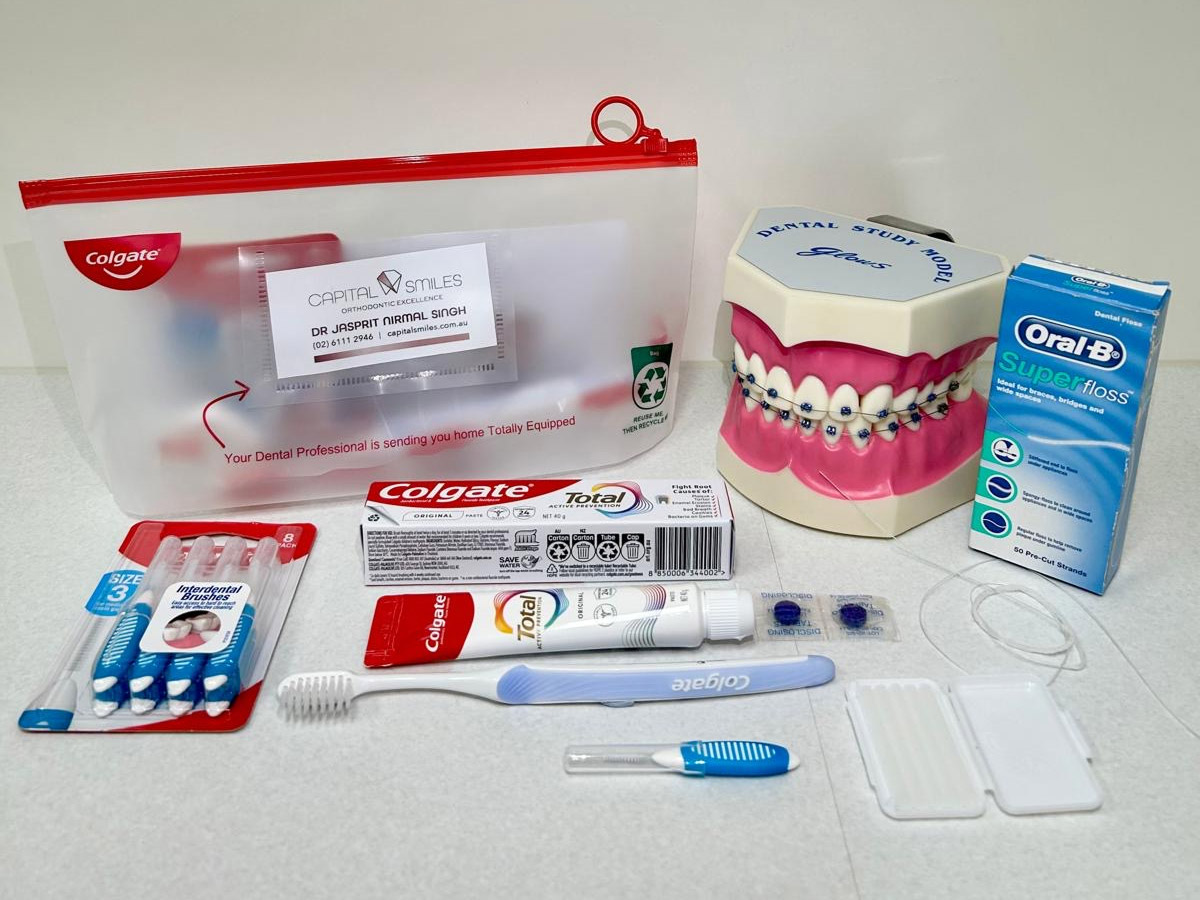
Looking after braces comes down to brushing after every meal, cleaning carefully around the brackets and wires every day, and avoiding hard, sticky and sugary

Ceramic braces work the same way as metal braces, with clear or tooth-coloured brackets instead of silver ones. They are less noticeable rather than invisible,

Early orthodontic treatment begins while a child still has a mix of baby and adult teeth, often between the ages of seven and ten. It

Certain dental and jaw signs, such as crowded or overlapping teeth, prolonged thumb or dummy sucking, or a bite that does not line up, suggest

Most children benefit from an initial orthodontic assessment around age 7, with the recommended window extending to age 10, and this early check does not

Specialist orthodontists recommend an initial assessment before the early teenage years, often earlier than most families expect. Understanding when to start and what the process

Both metal and ceramic braces move teeth using the same reliable mechanics. The right choice for your orthodontic treatment comes down to your personal preferences

Many Canberra professionals are choosing invisible braces because their roles often involve committee appearances and media briefings where visible dental hardware could be a distraction.
Five common bite patterns an orthodontist looks for in a growing child are overjet, deep overbite, underbite, open bite and crossbite. Spotting one is a
Preparation, realistic expectations and steady support can help children adjust to braces. Parents can make the process easier by explaining what to expect, helping with
Looking after braces comes down to brushing after every meal, cleaning carefully around the brackets and wires every day, and avoiding hard, sticky and sugary
Ceramic braces work the same way as metal braces, with clear or tooth-coloured brackets instead of silver ones. They are less noticeable rather than invisible,
Early orthodontic treatment begins while a child still has a mix of baby and adult teeth, often between the ages of seven and ten. It
Certain dental and jaw signs, such as crowded or overlapping teeth, prolonged thumb or dummy sucking, or a bite that does not line up, suggest
Most children benefit from an initial orthodontic assessment around age 7, with the recommended window extending to age 10, and this early check does not
Specialist orthodontists recommend an initial assessment before the early teenage years, often earlier than most families expect. Understanding when to start and what the process
Both metal and ceramic braces move teeth using the same reliable mechanics. The right choice for your orthodontic treatment comes down to your personal preferences
Many Canberra professionals are choosing invisible braces because their roles often involve committee appearances and media briefings where visible dental hardware could be a distraction.